Now we get
to the meat of the Tonys, the acting awards.
Given the sheer volume of eligible work, someone always gets snubbed
when the nominations are handed out, and even then there are still several
deserving candidates for each statuette.
Before reading any father, please remember my two caveats: 1) I have not seen all of the nominated
shows; and 2) I am predicting who will
win, which may be different from who should
win, especially in the acting categories.
As always, I will point out those discrepancies in the body of the article.
Since any
gentleman knows that its ladies first, here are my predictions for the Best
Supporting Actress categories.
Best Featured Actress in a Play
Nominees:
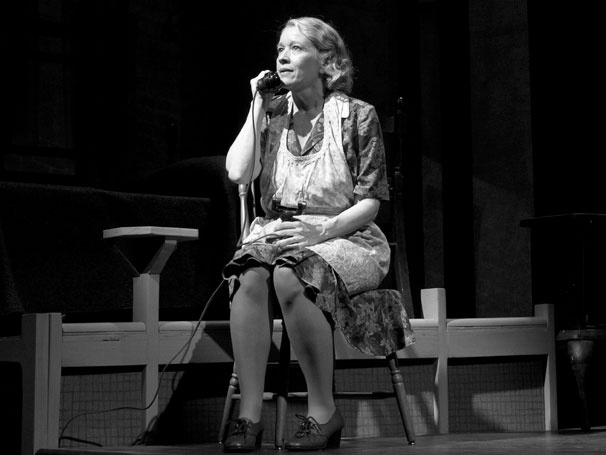
Linda Emond, Death of a Salesman; Spencer Kayden, Don’t Dress
for Dinner; Celia Keenan-Bolger, Peter
and the Starcatcher; Judith Light, Other
Desert Cities; Condola Rashad, Stick
Fly
Right off
the bat, I think we can count out Spencer Kayden and Condola Rashad. Kayden is the only bright spot in a critical
and commercial failure, and if it weren’t produced by the not-for-profit
Roundabout Theatre Company I’m sure Don’t
Dress for Dinner would have already posted a closing notice. Rashad could be called a dark horse candidate,
but while critics loved her, Stick Fly as
a whole didn’t make much of an impression and closed months ago. One of the biggest advantages a Tony nominee
can have is being in a currently running show, which leaves Rashad with an
uphill battle that I doubt she can win.
While I have
not personally seen Peter and the
Starcatcher, my understanding is that all of the actors play multiple
roles, which always impresses Tony voters and is a major plus for Celia
Keenan-Bolger. Unfortunately, Peter isn’t as “serious” a work as Death of a Salesman or Other Desert Cities, which probably
negates any advantage the multiple role trick gave her. In straight plays, Tony voters tend to reward
dramatic acting or its exact opposite, full-on farce; anything in-between like Peter goes underappreciated.
If we rule out
Keenan-Bolger, we are left with Judith Light and Linda Emond, with the edge
definitely going to the latter. Emond is
clearly the female lead in Salesman, with
all of the accompanying stage time and character development, giving her more
and better material to work with than her fellow nominees. This same situation led Nikki M. James to a
somewhat surprising but wholly deserved Featured Actress in a Musical win last
year, and I expect a similar outcome for Emond.
And lest you think it all comes down to politics, I have seen Salesman and can assure you she is devastatingly
good, easily holding her own against
Phillip Seymour Hoffman and making even the play’s most famous lines sound
fresh and alive.
Will & Should Win: Linda Emond, Death of a Salesman
Best Featured Actress in a Musical

Nominees:
Elizabeth A. Davis, Once; Jayne
Houdyshell, Follies; Judy Kaye, Nice Work If You Can Get It; Jessie
Mueller, On a Clear Day, You Can See
Forever; Da’Vine Joy Randolph, Ghost
the Musical
For me, this
is a somewhat odd list of nominees. It’s
not that I think any of the included ladies are bad, but I don’t quite
understand what some of them did to edge out other equally fine
performances. For instance, as hilarious
as she was singing “Broadway Baby,” was Jayne Houdyshell really that much
better than her Follies costars Elaine
Page or Terri White? And how did
Elizabeth A. Davis, even with her striking good looks and beautiful singing
voice, get herself nominated when the rest of the ensemble of Once went unrecognized? I suspect I am not the only one who feels
this way, and it is a sentiment that will probably prevent either of them from
leaving the Beacon theatre a winning next Sunday.
Now, I
hesitate to say I don’t want Da’Vine Joy Randolph to win, but…I don’t want her
to win. I haven’t seen her in Ghost, and the problem is I don’t need
to in order to know exactly what her performance is like. I’m sure she’s sassy, fires off a succession
of one-liners, and sings the hell out of her big, gospel-tinged solo. Add in one or two “serious” moments
masquerading as character depth, and you have the same performance given by
almost every featured black actress in the past ten years. It’s such a cliché that someone even wrote a
song about it, although in fairness to the writers of Ghost they at least had the decency to make Randolph’s character
integral to the plot. But it still isn’t
the sort of thing that should be rewarded with Tony Awards, especially because
such a win will only encourage musical theatre writers to continue using this
stereotype rather than creating roles of substance for black women.
Judy Kaye is
perfectly fine in Nice Work If You Can
Get It, but I don’t think this role will net the Tony Award-winner a second
statuette. The show as a whole is too
run-of-the-mill, and Kaye doesn’t do enough to rise above that. On the other hand, Jessie Mueller did rise
above her subpar show and gave one of the most praised supporting turns of the
season. Everyone who actually saw On a Clear Day agrees that Mueller’s big
number was the highlight of the evening and a genuine showstopper. Plus, Broadway loves a Cinderella story, and
what could be more fairy tale-esque than a young woman playing the lead in her Broadway
debut, stealing the show, and winning a Tony for it?
Will & Should Win: Jessie Mueller, On a Clear Day You Can See Forever
That’s all
for now. Check back soon to see which
Featured Actors should be practicing their acceptance speeches. And check out the rest of my Tony predictions
here:

